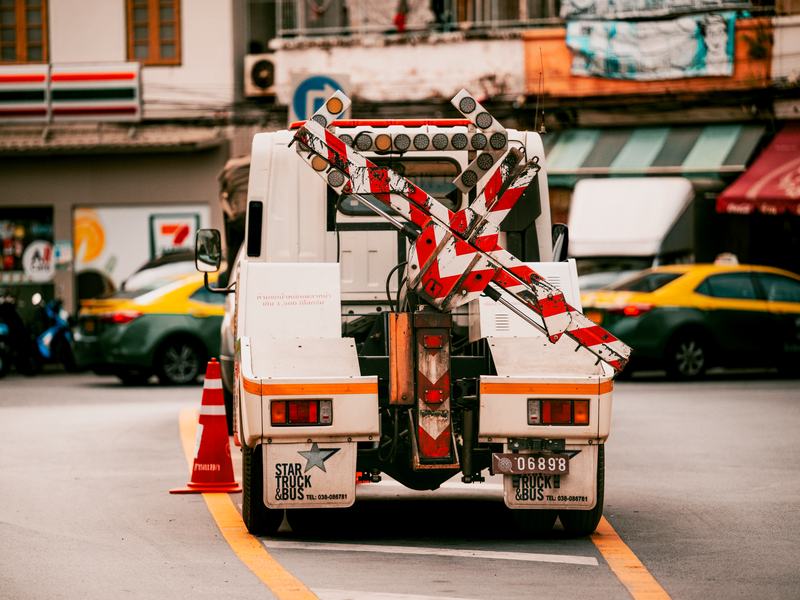
St. Cloud winters are long and snowy, making November through March the busiest months for towing. Cold temperatures, heavy snow, and icy roads lead to more breakdowns and accidents.
Winter is by far the busiest time of year for towing in St. Cloud and surrounding towns. The area averages 47 to 48 inches of snow per year, nearly double the national average. Snow typically starts in October and can continue through April. December is usually the snowiest month with an average of 9.3 inches, but late-season storms can dump significant snow in February, March, and even April.
Three of the four heaviest February-through-April snowfalls on record happened in 2013, 2018, and 2019. That means you cannot relax just because March arrives. Heavy wet snow in spring can be just as hard on vehicles as the dry cold of January. Snowfall totals climbed nearly 4 percent in the most recent 30-year climate average compared to the previous period, and three of the ten snowiest winters in St. Cloud history happened in the 2010s.
Cold temperatures are just as tough on cars as snow. Average January highs in St. Cloud sit around 19 degrees Fahrenheit, and lows drop below zero. Extreme cold drains batteries, thickens engine oil, and makes tires lose pressure. A battery that works fine in September may fail to start your car on a January morning when the temperature hits minus 10.
Dead batteries are the leading cause of winter towing calls. Cold weather reduces battery capacity, and if your battery is more than three or four years old, it may not have enough power to turn over the engine on a cold morning. Tow trucks stay busy in January and February jumping cars or hauling them to repair shops for new batteries.
Sliding off icy roads is another common reason vehicles need towing in winter. Black ice forms on bridges, overpasses, and shaded sections of road when temperatures hover near freezing. A patch of ice on Highway 15 or County Road 75 can send a car into the ditch even if the driver is going slowly. Recovery from a snowy ditch often requires a winch, which adds to the towing cost.
Tire problems increase in winter too. Cold air causes tire pressure to drop, and underinflated tires do not grip well on snow or ice. Blowouts are less common in winter than summer, but getting a flat tire when it is 15 degrees outside and the wind is blowing makes for a miserable roadside wait. Many drivers choose to have the car towed rather than change the tire themselves in those conditions.
Spring brings a different set of problems. As snow melts, potholes open up on streets and county roads around St. Cloud. Hitting a deep pothole can damage a tire, bend a rim, or knock your suspension out of alignment. Some potholes are bad enough to disable a car completely. Spring also brings heavy rain. St. Cloud has seen record rainfall in recent years, and streets can flood during intense storms, stalling cars that try to drive through standing water.
Late-season snowstorms can catch drivers off guard in April. People switch to summer tires or let their guard down, then a spring blizzard hits and roads become treacherous. April averages nearly 5 inches of snow, and some years bring much more. If you keep your winter tires on through mid-April, you will be glad you did.
Fall is generally calmer for towing, but October and November can be tricky. Early snowfall sometimes arrives before people are ready. The first snow of the season often leads to accidents because drivers have not adjusted to winter conditions yet. Leaves on wet pavement can be as slippery as ice, especially on roads near parks and wooded areas in Sartell, Waite Park, and St. Joseph.
Summer is the slowest time for towing in St. Cloud. Average high temperatures in July reach around 82 degrees, warm but not extreme. Cars handle heat better than cold, and road conditions are generally good. Breakdowns still happen, but they are less frequent and usually related to worn-out parts rather than weather.
Overheating can be an issue on hot days, especially if your cooling system has a leak or a failing thermostat. Long highway drives in 90-degree heat can push an old radiator or water pump past its limits. Tire blowouts are more common in summer because hot pavement heats up the air inside tires, increasing pressure. If your tires are worn or overinflated, a hot day on Interstate 94 can lead to a blowout.
Construction season also brings road closures, detours, and rough pavement. Driving on gravel detours or torn-up streets can be hard on tires and suspension parts. Still, summer breakdowns are far less common than winter ones. If you need major repairs or maintenance done, summer is the best time to schedule them so your vehicle is ready before snow flies in November.
Get your battery tested in October or early November, before the first hard freeze. Most auto parts stores will test your battery for free. If it is weak or more than four years old, replace it before winter starts. A new battery costs less than a tow truck call on a subzero morning.
Check your tires for tread depth and proper inflation. Minnesota does not require winter tires by law, but they make a big difference on snow and ice. At a minimum, make sure your all-season tires have plenty of tread left. Tires lose about one PSI of pressure for every 10-degree drop in temperature, so check your pressure every few weeks as the weather gets colder.
Keep an emergency kit in your car during winter. Include a blanket, flashlight, jumper cables, ice scraper, small shovel, and some snacks. If you slide off the road or break down on a county road between St. Cloud and Clearwater, you may wait 30 minutes or more for a tow truck. Being prepared makes the wait safer and more comfortable.
Send us a few details and a photo and we will get you a free quote.
Get my free quote ST. CLOUD